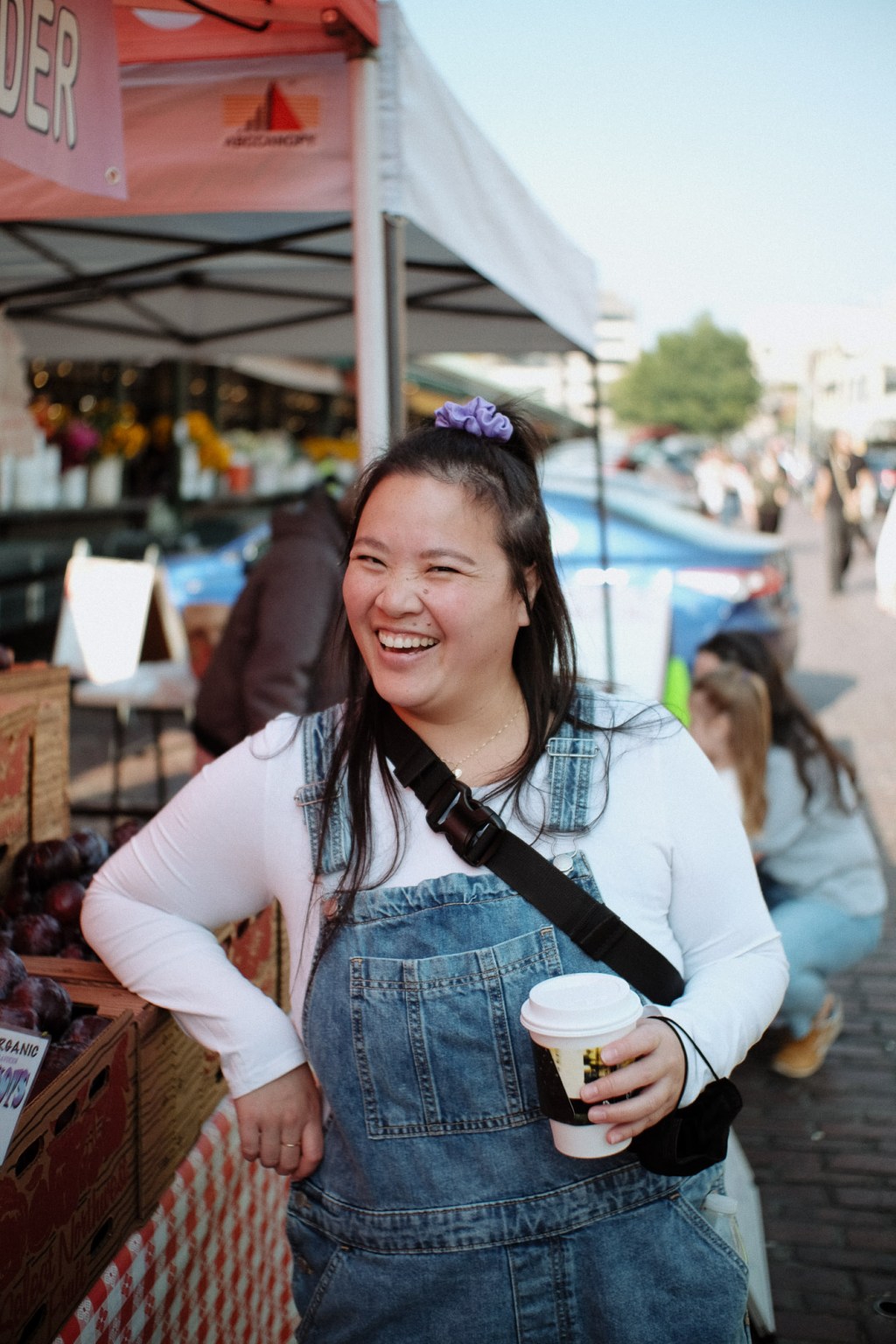
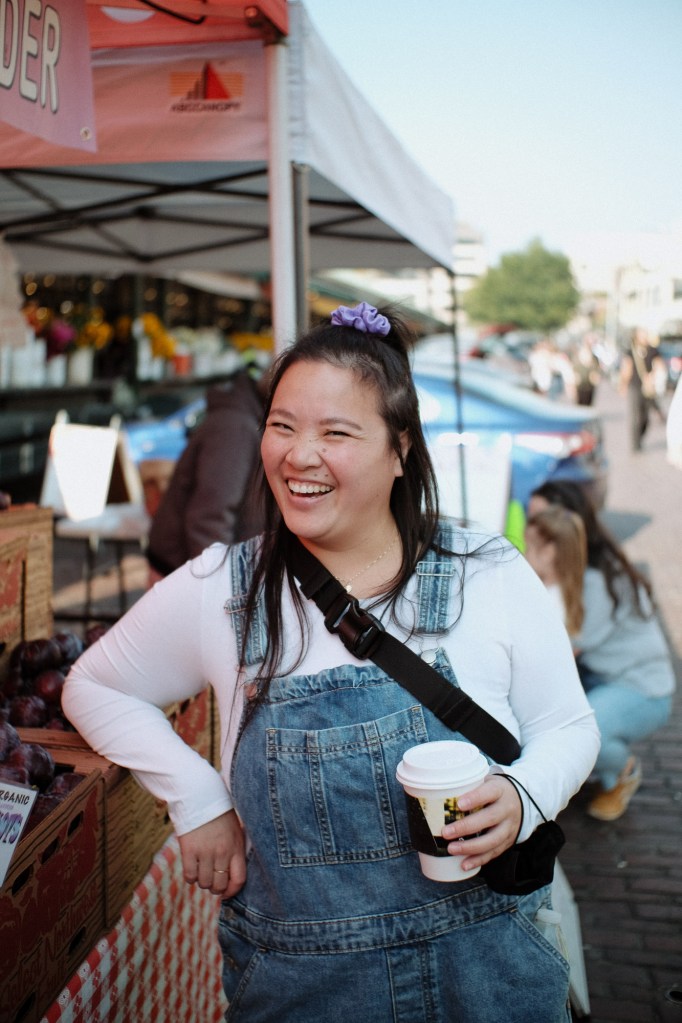
If you’re looking for Fuji X-E2 sample images or wondering whether a budget manual lens like the Meike 25mm f1.8 is worth it, this post should give you a real-world look.
I’ve mentioned before that there was a season where every trip I took came with a new piece of gear to test. My thinking was simple. If a setup could hold up during travel, it was worth keeping long term.
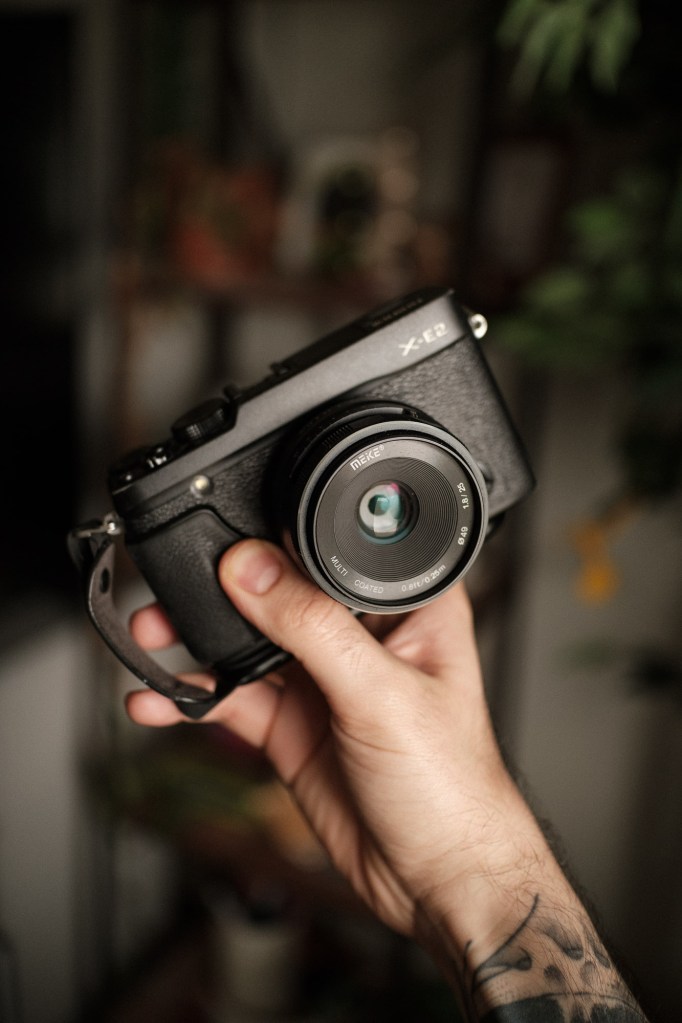
For this trip to Seattle, I had just picked up a used Fuji X-E2 after selling off some older gear. This was really my first proper introduction into the Fuji system after using the Fuji XF10 point and shoot.
I loved the XF10, but it was slow. I wanted something that could keep up just a bit more that gave me more manual control.
A Budget Fuji Setup
Around this time, Fuji was starting to gain a lot of popularity. Looking back now, I probably would’ve considered something like the X100 series or even a newer body, but my budget had other plans.
I picked up the Fuji X-E2 for $275 in 2022.
Since I didn’t have much room left for a lens, I started looking into third party options. I had some hesitation here since third party lenses can be hit or miss, and I didn’t want to waste money on something I’d immediately want to replace. (Present-day Philip has way more confidence in third party lenses now!)
That’s when I found the Meike 25mm f1.8 manual lens for about $70.
For that price, I figured it was worth the risk.

What It’s Like Using a Manual Lens
If you’ve never used a manual lens before, there are a few things you need to know.
This lens does not communicate with the camera at all. No autofocus. No EXIF data. Nothing.
On the Fuji X-E2, you’ll need to:
- Turn on “Shoot Without Lens”
- Switch the focus mode to manual (M on the front switch)
- Enable a manual focus assist (focus peaking, digital split image, etc.)
Once that’s set up, you’re good to go.
It takes some getting used to, but it slows you down in a way that can actually improve how intentional you are with your photos.
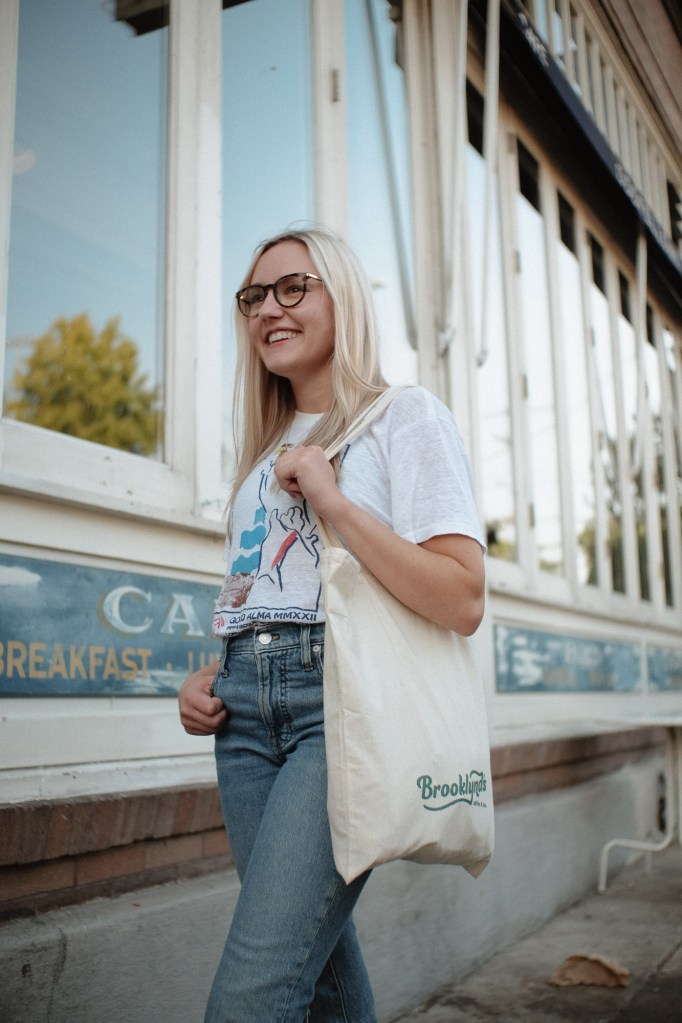
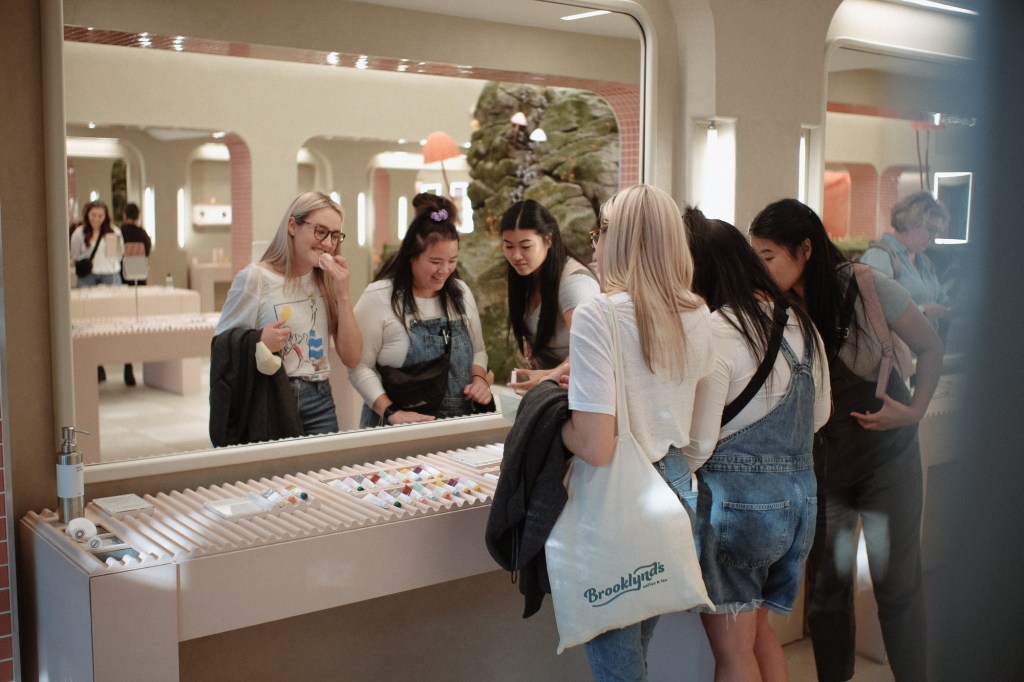
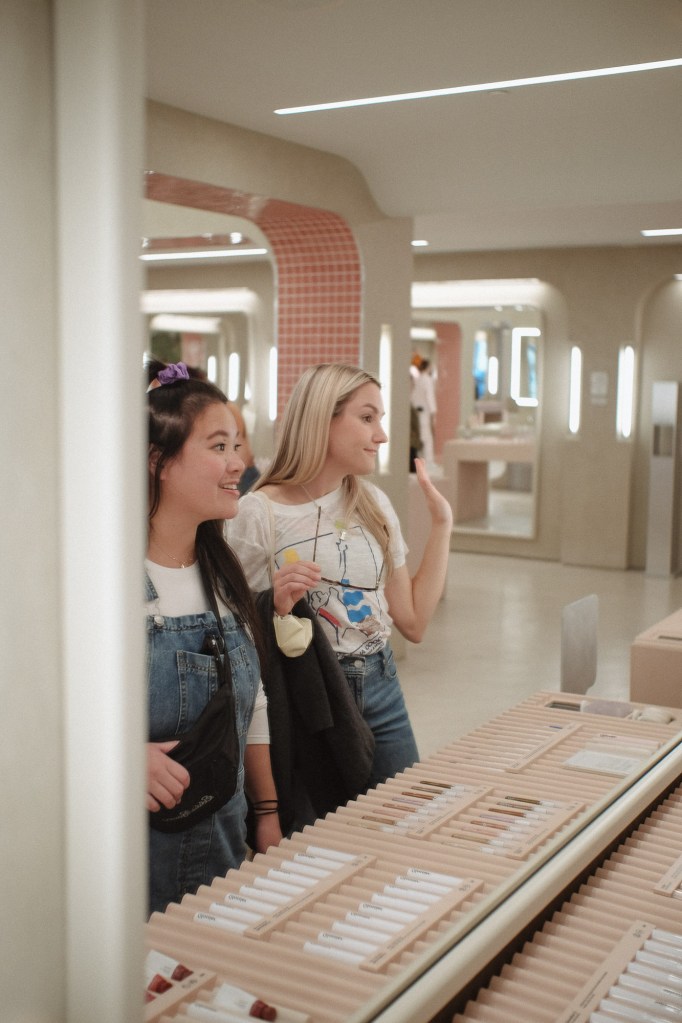
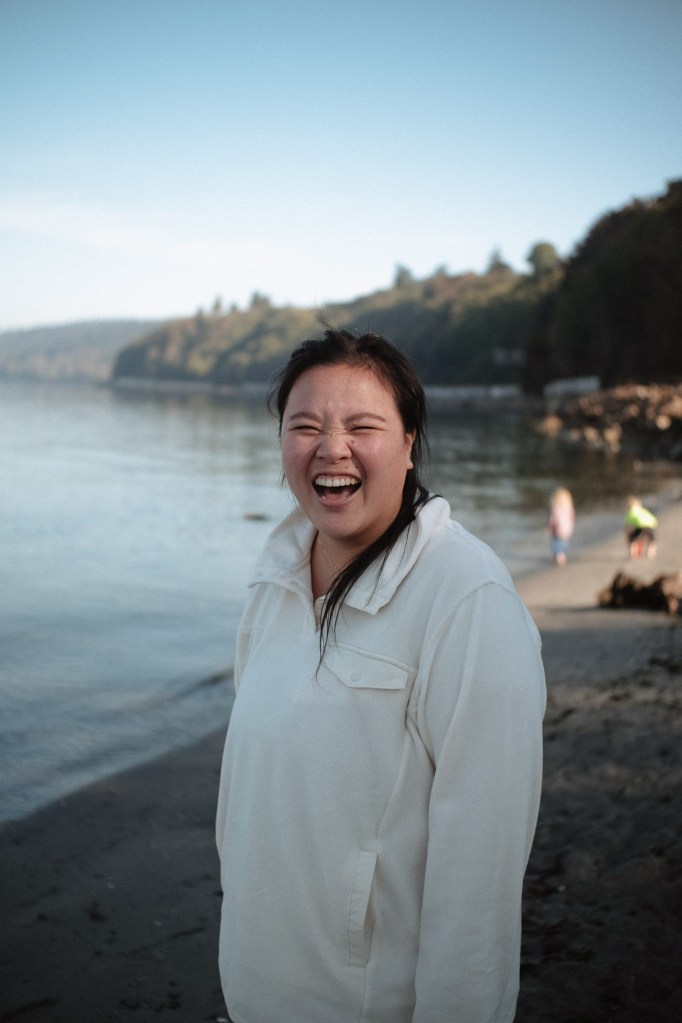
Image Quality from the Meike 25mm f1.8
This is where the lens surprised me.
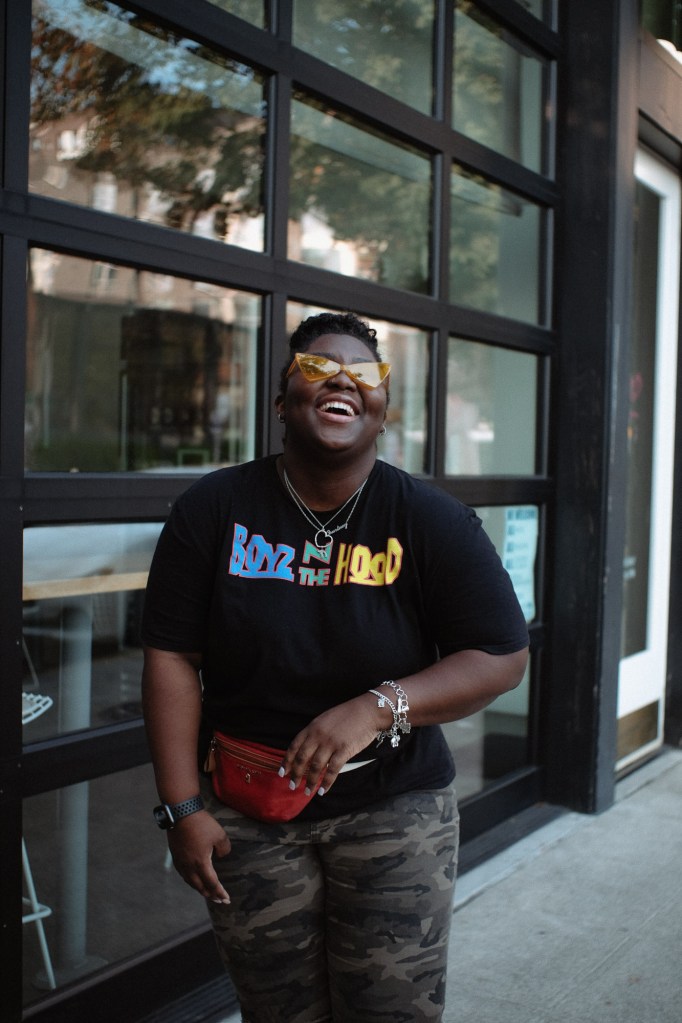
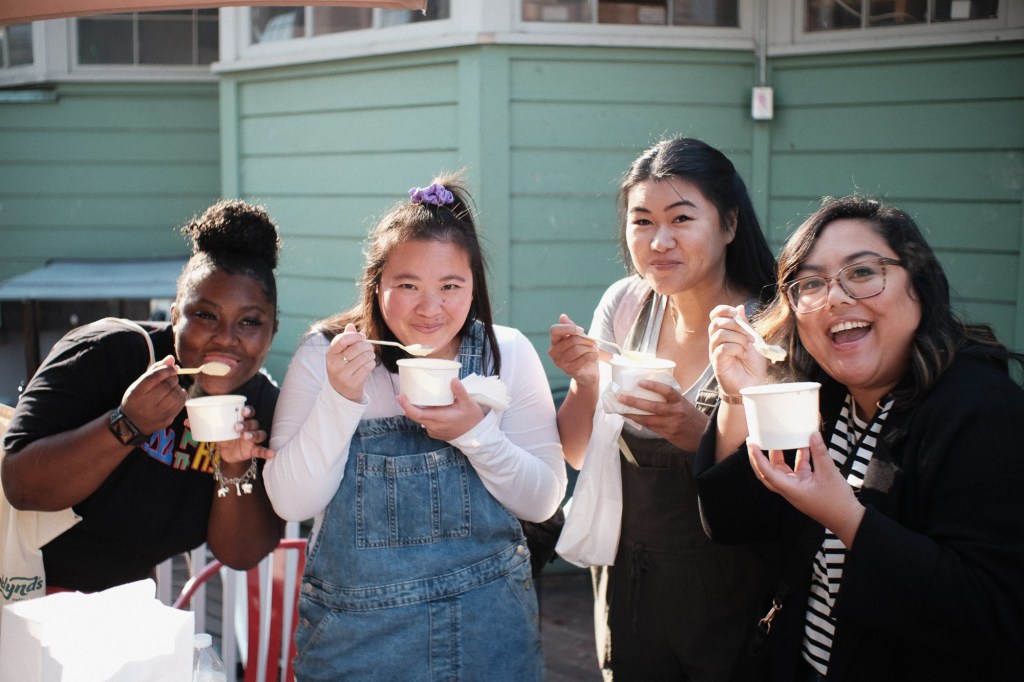
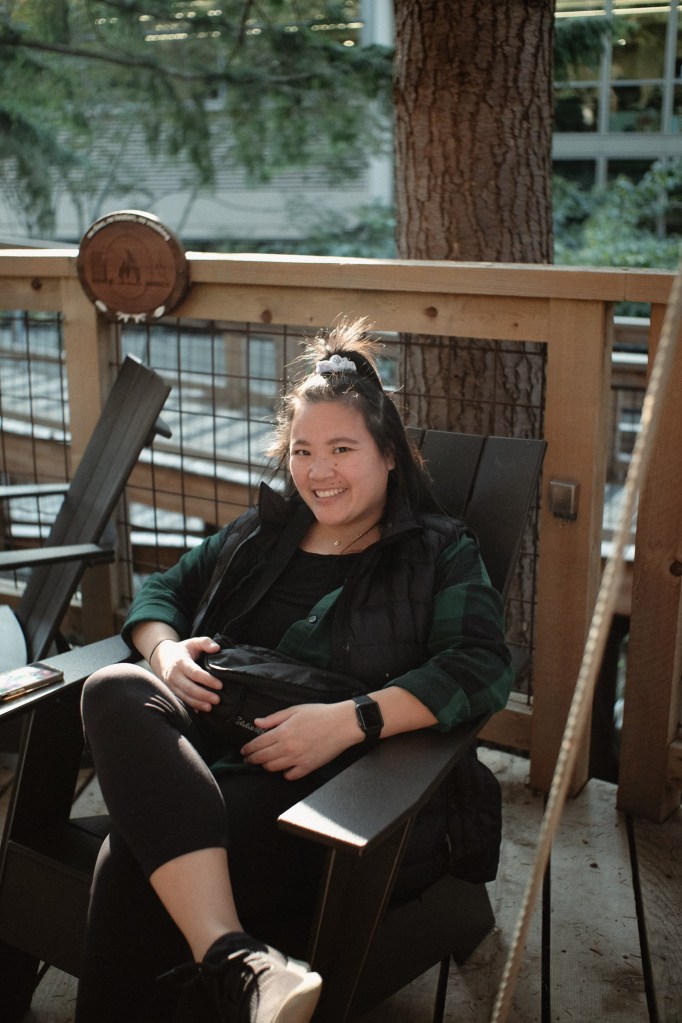
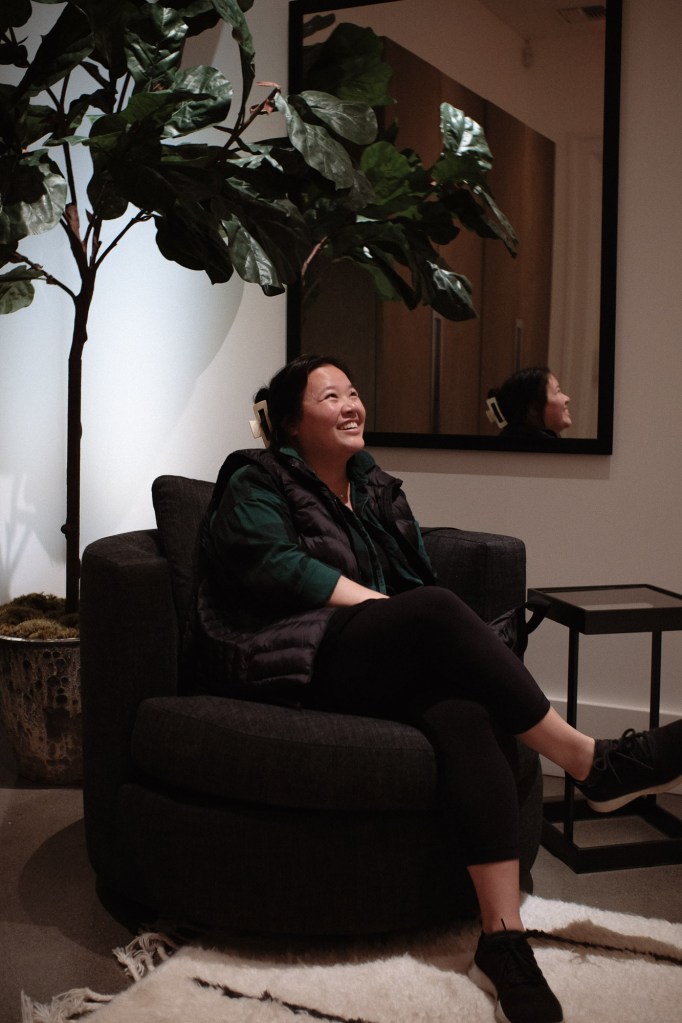
When you nail focus, it’s sharp.
I shot everything at f1.8 because if I’m buying a fast lens, I want to use it wide open. So if you’re looking for stopped down performance, I’ll have to test that another time.
The lens is compact, mostly metal, and feels more premium than the price suggests.
And the bokeh? Honestly really solid.
The Tradeoffs
Of course, there are tradeoffs.
Manual focus takes time. On an older body like the X-E2, that process is even slower.
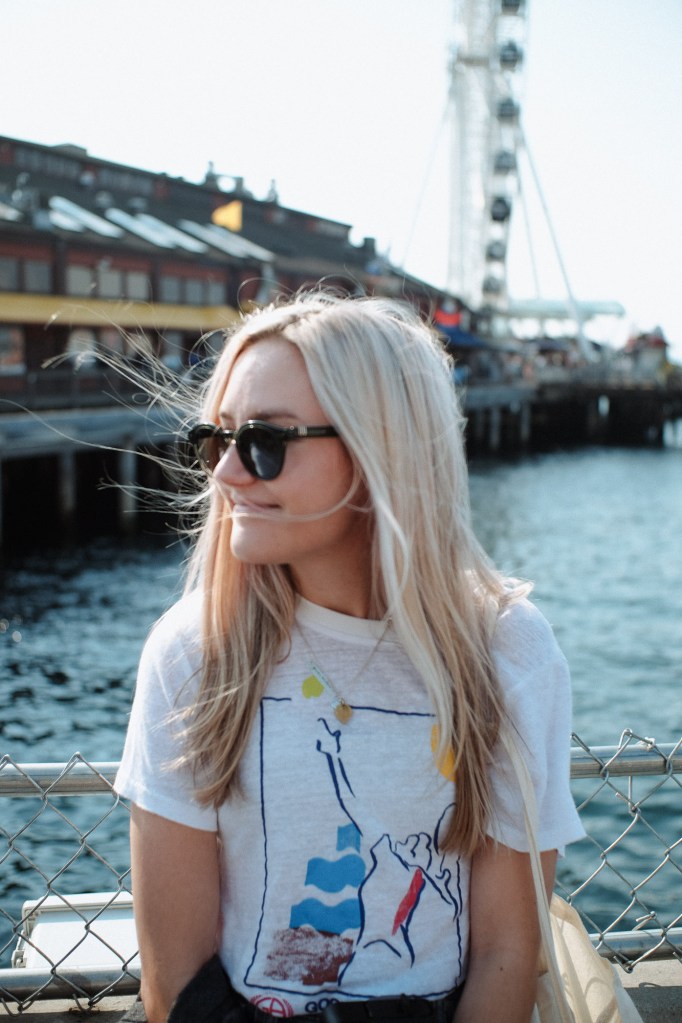
I definitely missed focus on quite a few shots.
But interestingly enough, some of those slightly missed shots added a kind of vintage feel to the images. Not ideal, but not unusable either.
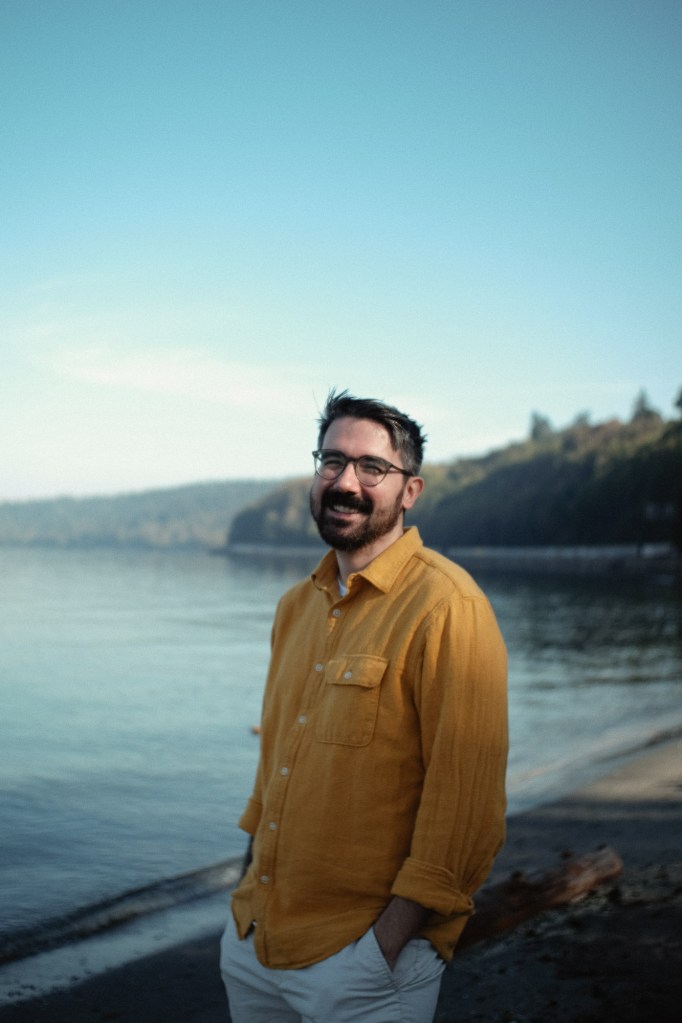
Another thing to note is the aperture ring.
It doesn’t click into place, so it can shift easily when pulling it in and out of your bag or even from movement. That can be frustrating if you’re not paying attention.
And if you hand your camera to someone else to take a photo of you?
Good luck. Those shots will almost always be out of focus because explaining to someone how a manual focus lens works is like teaching a complex math equation (they’ll also likely twist the lens thinking they can zoom in and out, and that will knock the focus entirely).
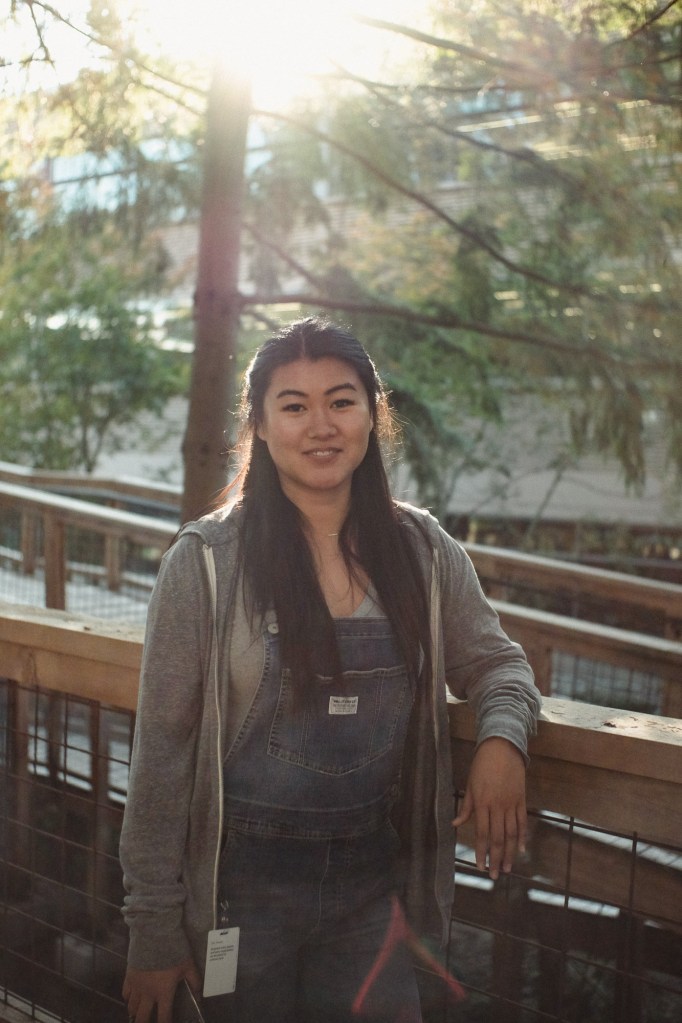
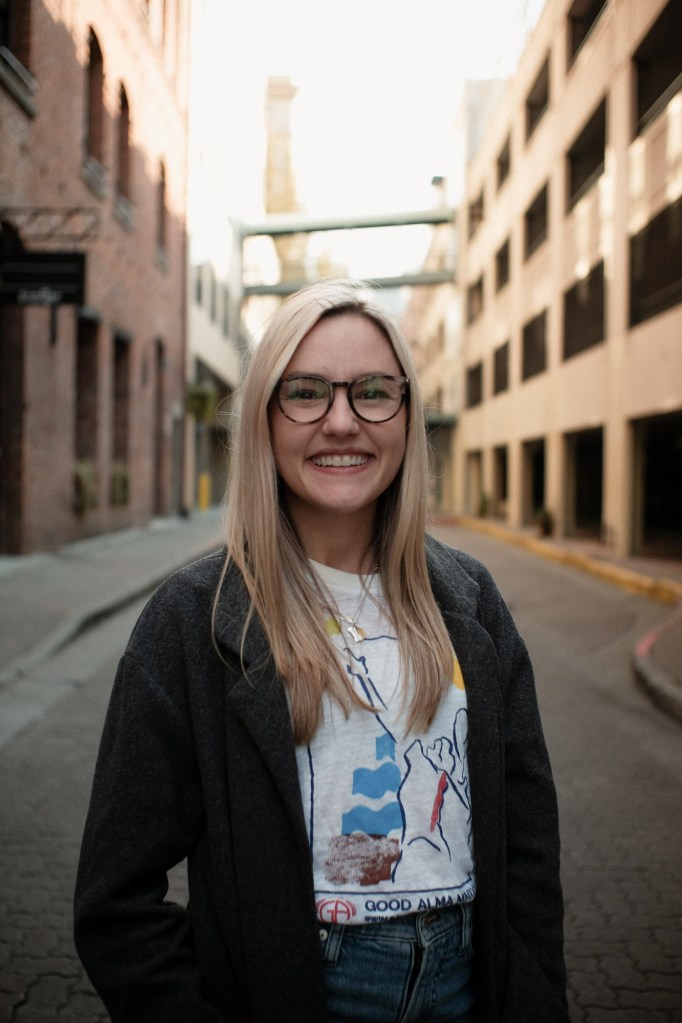
Real World Travel Use
Despite the limitations, I genuinely enjoyed using this setup.
It’s small. Lightweight. Affordable.
Perfect for travel.
And more importantly, it proved something I’ve come to believe more and more:
You don’t need the latest and greatest gear to create meaningful images.
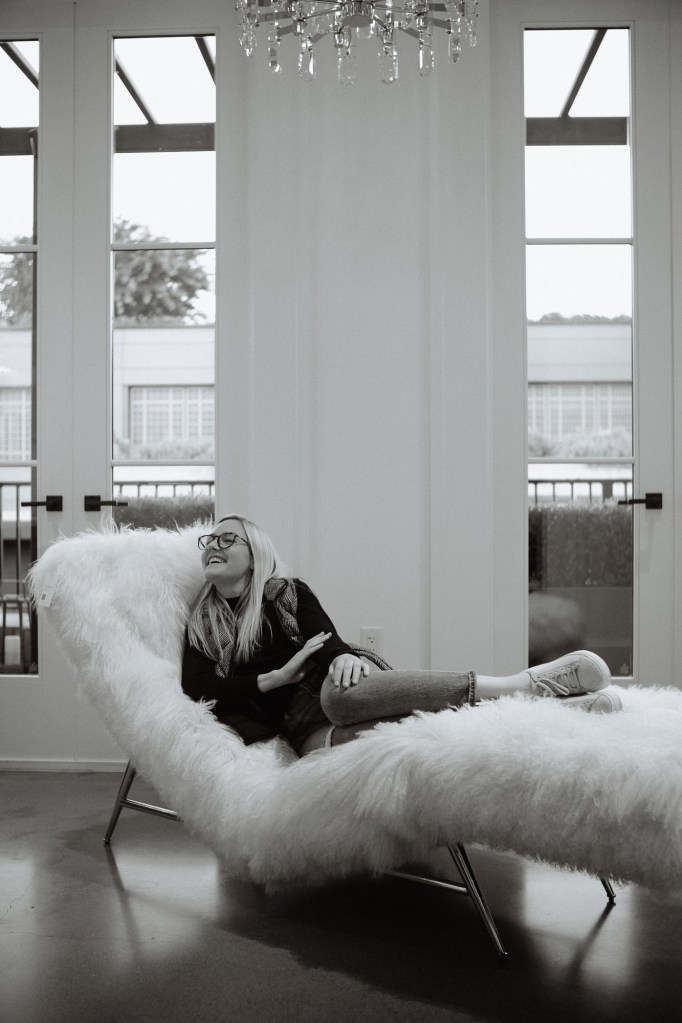
Final Thoughts
Would I recommend the Meike 25mm f1.8?
Yes, especially if you’re on a budget or looking for a lens with a bit of character.
Should you purchase the Meike 25mm f1.8 lens through my Amazon link?
Also yes, because I will get a very teeny tiny kickback from you using the link, and I will be incredibly appreciative of you for doing that!
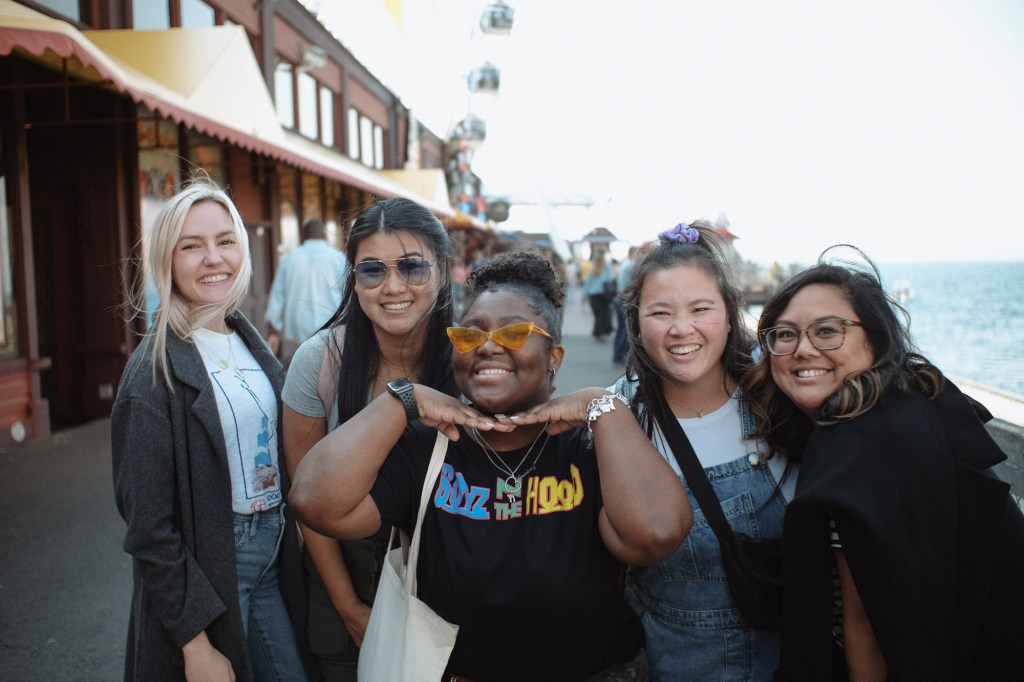
You’re not compromising on image quality with this lens. You’re just working within limitations.
And honestly, those limitations might be the thing that pushes your creativity further.
Some of my favorite images to date came from this exact setup, and I can’t wait to share even more images taken with this lens in future blogs!



Leave a comment